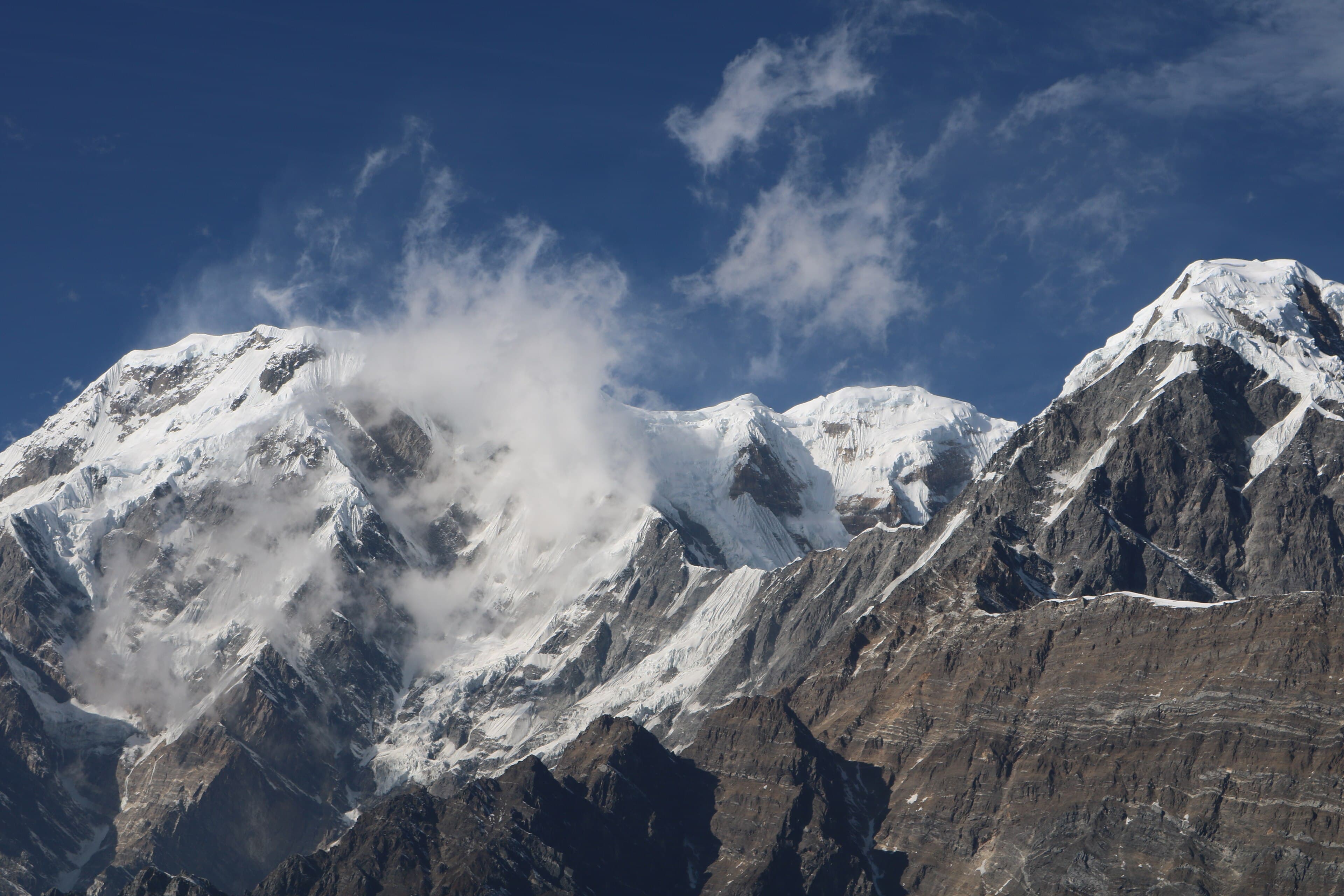
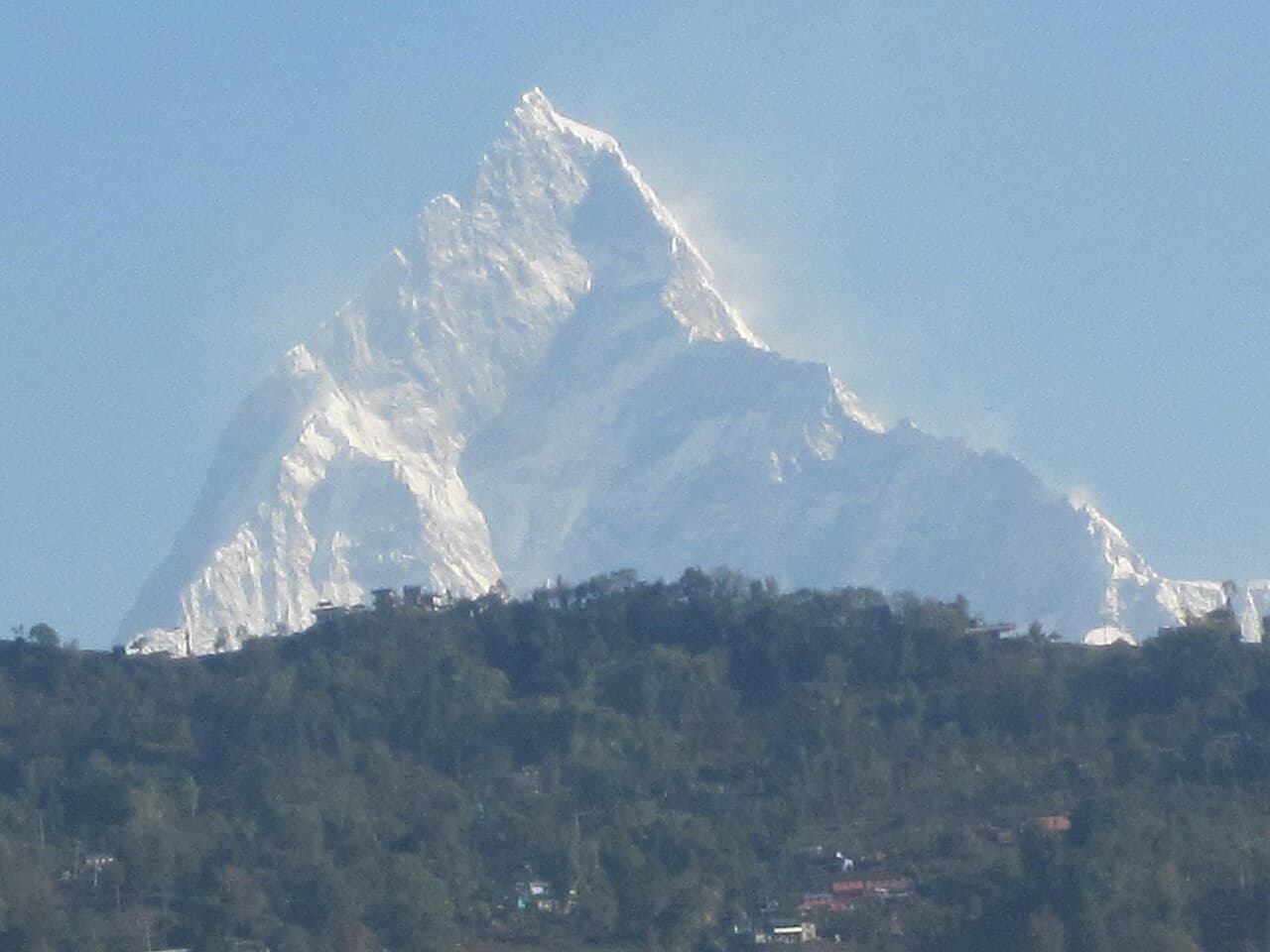
The Mardi Himal trek is one of those rare Himalayan journeys that quietly surprises people. It does not shout for attention like Everest or Annapurna Circuit. There are no long traffic lines of trekkers, no endless convoy of pack animals, and no feeling that you are walking through a mountain highway. Instead, Mardi Himal feels personal — like the mountains are allowing you into a quieter, more peaceful side of the Himalayas that many people still overlook.
Tucked beneath the sacred Machhapuchhre — famously known as Fishtail Mountain — this trek follows hidden forest trails, alpine ridges, and traditional hillside villages through the heart of the Annapurna region. For the local Gurung and Magar communities, these mountains are not simply landscapes. They are deeply spiritual places tied to Buddhist and Hindu traditions, prayer rituals, seasonal farming life, and generations of mountain culture.
The journey begins gently through terraced farmland and small villages where buffalo graze beside stone houses and prayer flags flutter above narrow trails. Children wave from hillside homes while older locals sit outside tea shops watching trekkers pass slowly uphill with expressions that politely say, “You packed too much again, didn’t you?”
As the trail climbs higher, the landscape changes dramatically.
Warm village paths slowly disappear into dense rhododendron forests filled with birdsong, waterfalls, moss-covered trees, and cool mountain mist. In spring, the forests become almost unreal — entire hillsides exploding with red and pink rhododendron blooms while clouds drift quietly between the trees.
And then suddenly, the forest opens.
The ridges become sharper. The air becomes colder. The valleys drop thousands of meters below your feet. And standing directly ahead, unbelievably close, rises the massive icy wall of Machhapuchhre itself.
That moment changes people.
Unlike many treks where mountains stay far on the horizon, Mardi Himal brings you directly into the center of the Himalayan landscape. The ridge trail toward High Camp and Mardi Base Camp feels wild and exposed in the best possible way. Snow peaks surround you from every direction:
Machhapuchhre
Annapurna South
Hiunchuli
Mardi Hima l
and Annapurna I towering beyond the clouds
At sunrise, the mountains slowly turn gold while freezing wind moves across the ridges and tea house windows begin glowing softly in the dark. Trekkers gather quietly with cups of tea warming cold hands, pretending they are not emotionally overwhelmed before breakfast.
And yes — everyone suddenly walks slower above 3,500 meters… mostly because the mountains politely steal your oxygen while smiling at you.
What makes Mardi Himal special is not only the scenery. It is the feeling of simplicity the trek creates. Days become beautifully uncomplicated:
walk,
eat,
drink tea,
watch mountains,
sleep.
Somewhere between the forests, ridges, and mountain silence, people reconnect with something they often forget in everyday life — calmness.
The tea houses are simple but welcoming. The food tastes better after long climbs. Conversations feel more genuine. Even basic things like hot soup, dry socks, or seeing sunlight hit the mountains at dawn suddenly feel important again.
And long after the trek ends, Mardi Himal stays with people.
Maybe it is the sound of prayer flags in cold wind.
Maybe it is the silence of the ridges at sunrise.
Or maybe it is simply the realization that the Himalaya does not only challenge your body — it quietly changes the way you see the world afterward.